…Pay For Flights, Hotels, School Fees With Naira Card

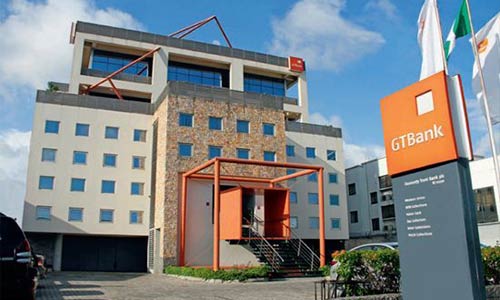
Guaranty Trust Bank has doubled the quarterly international spending limit on its naira-denominated cards to $40,000, significantly expanding the amount customers can spend on foreign transactions directly from their naira accounts.
The new limit represents a 100 per cent increase from the $20,000 quarterly threshold that was available to customers immediately before the latest adjustment.
GTBank communicated the development to customers, explaining that the increased limit can be used for international payments including airline tickets, hotel bookings, school fees and other eligible transactions.
“Dear Customer, the international spending limit on your GTBank Naira Card has been doubled to $40,000 per quarter. Pay for flights, hotels, school fees & more,” the bank told customers.
The adjustment marks another major expansion of international payment capacity on naira cards after Nigerian banks gradually restored foreign transactions that had been suspended during the prolonged foreign exchange scarcity.
GTBank’s Naira Mastercard information now places the international Point-of-Sale and online transaction limit at $40,000 per quarter, allowing customers to make significantly larger foreign payments without necessarily maintaining a separate domiciliary card for eligible transactions.
The latest increase follows a series of upward adjustments by the bank.
GTBank had previously placed the international spending limit on its naira cards at $6,000 per quarter before increasing it to $20,000. The latest adjustment to $40,000 therefore represents a more than sixfold increase compared with the $6,000 threshold.
When international transactions on naira cards were restored in 2025 following about three years of restrictions, GTBank initially allowed customers to spend up to $1,000 quarterly on international transactions.
At the time, foreign ATM withdrawals were restricted to $500 quarterly, while online and Point-of-Sale transactions were subject to the broader international spending ceiling.
The gradual increase from $1,000 to $6,000, then $20,000 and now $40,000 reflects the significant easing of restrictions on customers seeking to make legitimate foreign payments with naira-denominated cards.
The development means customers can fund qualifying international transactions directly from their naira accounts, with the bank converting the transaction at its prevailing foreign exchange rate.
GTBank said the foreign exchange rate applicable to international card transactions remains subject to change in line with prevailing market conditions.
The higher spending threshold is expected to particularly benefit customers paying international tuition and educational expenses, booking overseas flights and accommodation, purchasing goods from foreign merchants or settling other legitimate cross-border obligations.
It also reduces the need for some customers to purchase foreign currency separately before making routine international payments.
International transactions on naira-denominated cards had become severely restricted across Nigerian banks between 2022 and 2023 as foreign exchange shortages intensified.
Several banks either drastically reduced their international card limits or suspended foreign transactions on naira cards altogether, forcing customers requiring international payment services to rely largely on domiciliary accounts and dollar-denominated cards.
Banks began restoring the services as foreign exchange liquidity improved, with individual financial institutions subsequently adjusting their international spending limits based on their policies and available foreign currency liquidity.
GTBank’s latest $40,000 quarterly ceiling represents one of the most significant increases since Nigerian banks resumed international transactions on naira cards.
[A MUST HAVE] Evidence Act Demystified With Recent And Contemporary Cases And Materials

Available now for NGN 40,000 at ASC Publications, 10, Boyle Street, Onikan, Lagos. Beside High Court, TBS. Email publications@ayindesanni.com or WhatsApp +2347056667384. Purchase Link: https://paystack.com/buy/evidence-act-complete-annotation
______________________________________________________________________ “Enhance Legal Practice With Authoritative Reports” — Alexander Payne Offers Comprehensive Law Reports, Spanning Over A Century Of Nigerian Jurisprudence Interested buyers are encouraged to place their orders and enquiries via:
0704 444 4777, 0704 444 4999, 0818 199 9888
Website: www.alexandernigeria.com
Interested buyers are encouraged to place their orders and enquiries via:
0704 444 4777, 0704 444 4999, 0818 199 9888
Website: www.alexandernigeria.com