*Challenges Link To US Travel Advisory And Flight Cancellations

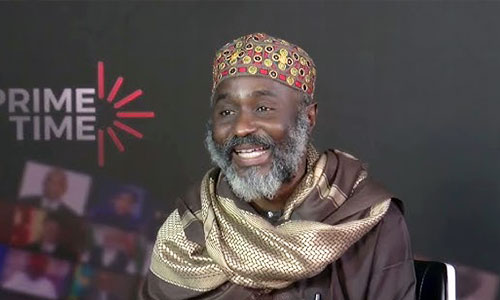
Former lawmaker and security consultant Aliyu Gebi has broken his silence following his detention by the State Security Service, denying allegations that he supplied false intelligence to foreign embassies that led to airlines suspending or cancelling flights to Nigeria, and challenging the suggestion that his actions influenced the United States’ decision to issue a travel advisory covering 23 Nigerian states and shut its embassy in Abuja.
In a phone call and written rejoinder shared with journalists and on his X handle on Friday, Gebi dismissed the allegations against him, insisting he was not arrested but was merely invited by the SSS to assist with an ongoing investigation — an invitation he said he honoured voluntarily and cooperatively.
“I was not arrested. I was invited to aid an ongoing investigation, and I honoured that invitation,” Gebi stated.
Gebi was taken into custody by SSS operatives on April 3, 2026, and later granted bail. Sources with direct knowledge of the matter said he was detained for allegedly providing what they described as “false intelligence” to foreign embassies.
The intelligence purportedly led some airlines to suspend or cancel flights to Nigeria. Nigerian authorities subsequently engaged with the embassies that received the information. However, the sources believed that the United States relied on the intelligence and issued a travel advisory citing the worsening security situation — subsequently advising its citizens to reconsider travelling to Nigeria, asking non-essential workers to leave, and shutting its embassy in Abuja.
During his detention, Gebi’s phone was switched off and messages sent via SMS and WhatsApp were not delivered, raising suspicion that his device may have been confiscated by the SSS. Gebi confirmed that the agency requested access to his electronic devices, including his mobile phone, as part of its enquiries, and that he complied fully.
Gebi directly challenged the core allegation that his intelligence influenced the US travel advisory.
“Was it the so-called ‘false intelligence’ about Abuja that made the United States issue a travel advisory covering 23 states? Let us be serious,” Gebi stated.
The rhetorical question underscores his argument that the scale of the US advisory which covered 23 of Nigeria’s 36 states could not have been triggered by intelligence from a single individual, and that the US must have relied on its own extensive intelligence capabilities in reaching its assessment.
Gebi suggested that the allegations against him were manufactured by those seeking to discredit his work.
“First, let me make something clear: I can never speak ill of our heads of security agencies, my president, or my country. So, for anyone to twist my contributions into something sinister is deeply painful,” Gebi stated.
“But I am a patriot. And patriots take the good with the bad, on behalf of the nation they love,” he added.
He specifically denied providing any intelligence that influenced foreign embassies to issue advisories against Nigeria.
In the most pointed section of his rejoinder, Gebi raised broader questions about intelligence-sharing arrangements between Nigeria and its international partners — particularly the United States.
“The Americans are here with boots and intelligence assets. Do they truly need someone to tell them that something is going to happen?” Gebi asked.
“If we have reached a point where we have to inform them of impending danger, then perhaps we need to reevaluate the relationship, based on the intelligence-sharing pact we have,” he added.
The remark suggests that Gebi views the allegations against him as deflection from a deeper issue — that the US independently assesses Nigeria’s security situation through its own substantial intelligence infrastructure, and that blaming a single consultant for the travel advisory misrepresents how international intelligence assessments are produced.
Gebi cited his track record to support his patriotic credentials, recalling that during the administration of former President Muhammadu Buhari, he publicly defended Nigeria when the United States considered evacuating embassy personnel.
“The record is there. I did not hide. I did not run,” he stated.
He acknowledged the efforts of Nigeria’s security agencies, including the Office of the National Security Adviser, the SSS, and the military, noting that progress is being made in addressing insecurity.
“I love my country. I have bled for my country. And I will never stop defending it,” Gebi declared.
The Nigerian government has rejected the US’s travel advisory, urging Nigeria’s international partners to ensure balanced, up-to-date reporting that reflects what it describes as “progress being made” toward securing the country.
The investigation into Gebi appears to be part of the government’s response to the US advisory, with authorities seeking to identify the sources of intelligence that may have informed the American assessment.
However, Gebi’s argument — that a country with its own intelligence assets in Nigeria does not need a single consultant’s input to reach a security assessment — raises questions about whether the investigation is focused on a genuine intelligence breach or on finding a domestic scapegoat for an international decision that embarrassed the government.
Gebi has been released on bail, and the SSS investigation appears to be continuing. His electronic devices remain in the agency’s possession.
The former lawmaker’s public defence of himself — through both a phone interview and a written rejoinder — suggests he intends to fight the allegations rather than remain silent, and his questioning of the intelligence-sharing relationship between Nigeria and the US introduces a dimension to the controversy that extends beyond his individual case.
Whether the SSS proceeds with formal charges or concludes its investigation without further action will depend on the evidence recovered from Gebi’s devices and the outcome of the government’s engagement with the foreign embassies that received the intelligence in question.
[A MUST HAVE] Evidence Act Demystified With Recent And Contemporary Cases And Materials

Available now for NGN 40,000 at ASC Publications, 10, Boyle Street, Onikan, Lagos. Beside High Court, TBS. Email publications@ayindesanni.com or WhatsApp +2347056667384. Purchase Link: https://paystack.com/buy/evidence-act-complete-annotation
______________________________________________________________________ “Enhance Legal Practice With Authoritative Reports” — Alexander Payne Offers Comprehensive Law Reports, Spanning Over A Century Of Nigerian Jurisprudence Interested buyers are encouraged to place their orders and enquiries via:
0704 444 4777, 0704 444 4999, 0818 199 9888
Website: www.alexandernigeria.com
Interested buyers are encouraged to place their orders and enquiries via:
0704 444 4777, 0704 444 4999, 0818 199 9888
Website: www.alexandernigeria.com